

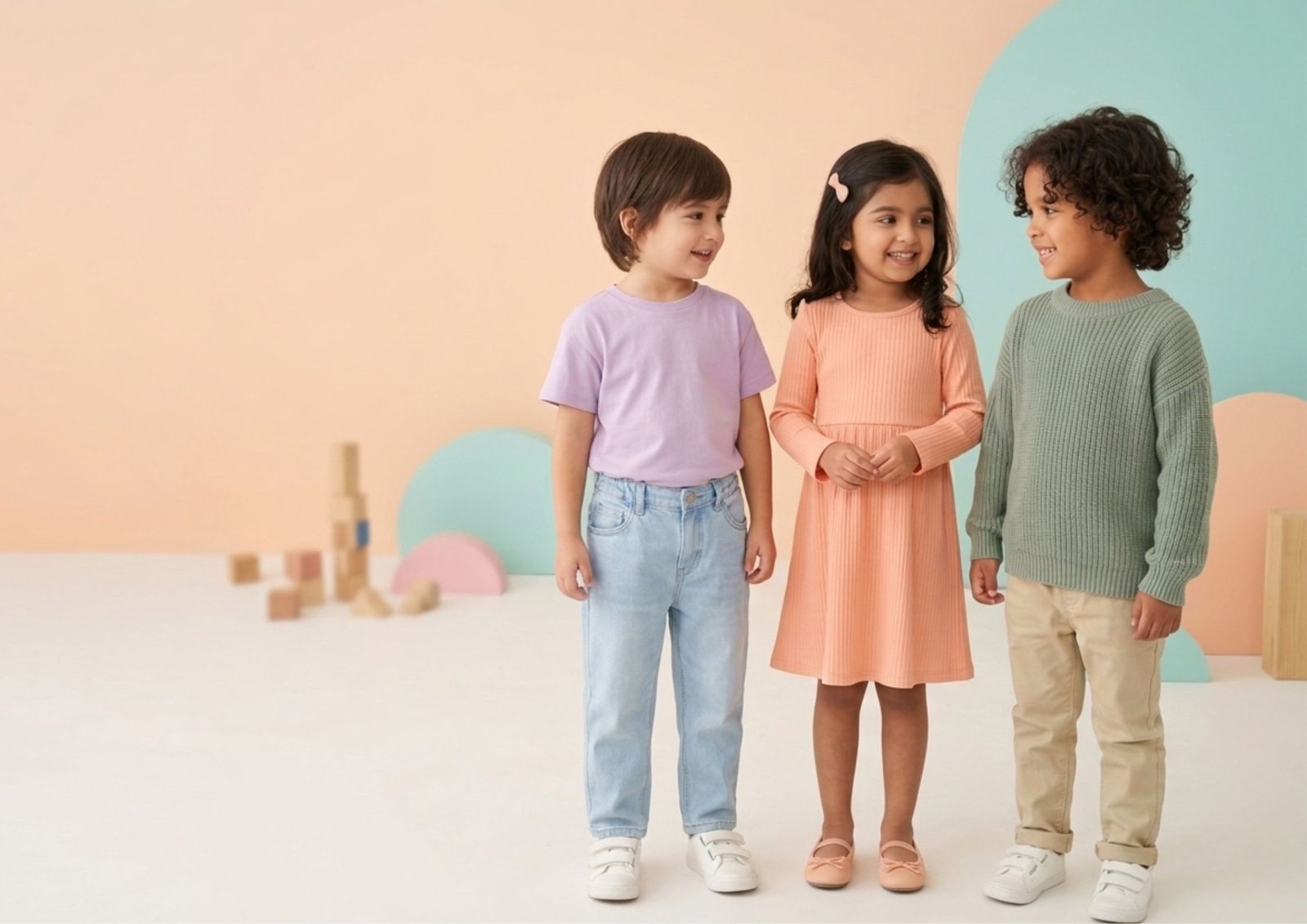
Choosing clothes for kids is not just about cute designs or trendy outfits. Comfort plays the most important role in keeping children happy, active, and confident throughout the day. Kids move, run, jump, and explore constantly, which means their clothing needs to support their lifestyle.
In this complete parent guide, we’ll help you understand how to choose comfortable clothes for kids, what fabrics work best, what to avoid, and how to balance comfort with style.
Why Comfortable Clothing is Important for Kids
Children’s skin is more sensitive than adults, and uncomfortable clothing can lead to irritation, rashes, and constant discomfort. Comfortable clothes allow kids to move freely, stay cool, and enjoy their day without distractions.
Benefits of comfortable kids clothing include:
- Better freedom of movement
- Reduced skin irritation and allergies
- Improved mood and confidence
- Easier playtime and activity
- Better sleep when wearing soft fabrics
Parents should always prioritize comfort first, then style.
Choose Soft and Breathable Fabrics
Fabric is the most important factor when selecting kids’ clothing. Soft and breathable materials prevent overheating and skin irritation.
Best fabrics for kids:
Cotton
Cotton is one of the best fabrics for children because it is soft, breathable, and gentle on the skin. It absorbs sweat and keeps kids cool.
Organic Cotton
Organic cotton is even better because it is free from harmful chemicals and dyes, making it ideal for babies and sensitive skin.
Bamboo Fabric
Bamboo fabric is extremely soft, breathable, and naturally antibacterial. It is becoming very popular in kids clothing.
Jersey Knit
Jersey fabrics stretch easily and provide flexibility for active kids.
Fabrics to avoid:
- Rough wool
- Heavy synthetic fabrics
- Polyester blends that trap heat
- Stiff denim for daily wear
These materials may cause itching, sweating, and discomfort.
Pick the Right Size (Not Just Age-Based)
Many parents buy clothes according to age labels like “3-4 years” or “5-6 years”. However, every child grows differently.
Tips for choosing the right size:
- Always check the size chart
- Choose slightly roomy fits for movement
- Avoid tight waistbands
- Ensure arm and leg movement is easy
- Allow room for growth
Clothes that are too tight restrict movement, while oversized clothes can become uncomfortable during play.
Look for Stretch and Flexibility
Kids are constantly moving. Clothes that stretch allow them to run, climb, and play comfortably.
Look for:
- Elastic waistbands
- Stretchable cotton fabrics
- Flexible leggings and joggers
- Soft knit t-shirts
Avoid rigid clothing that limits movement.
Comfortable stretch fabrics make dressing easier and allow children to stay active all day.
Check Seams, Tags, and Stitching
Small details can make a big difference in comfort.
Before buying kids clothing, check:
- Flat seams that don’t rub the skin
- Tagless labels or soft labels
- Strong stitching to avoid tearing during play
- Covered waistbands that don’t dig into skin
Poor stitching or rough tags can cause irritation for children.
Choose Weather-Appropriate Clothing
Kids need clothes suitable for the weather so they remain comfortable indoors and outdoors.
Summer
- Lightweight cotton t-shirts
- Breathable shorts
- Sleeveless dresses
- Light fabrics that absorb sweat
Winter
- Layered clothing
- Soft sweaters
- Thermal innerwear
- Warm joggers
Layering helps regulate body temperature easily.
Prioritize Easy-to-Wear Designs
Parents know how challenging it can be to dress young kids. Choosing easy-to-wear clothing makes daily routines smoother.
Look for:
- Elastic waist pants
- Front buttons or zippers
- Stretch neck t-shirts
- Pull-on dresses
These designs help kids dress independently as they grow.
Avoid Too Many Accessories
While decorative elements may look stylish, they can make clothing uncomfortable.
Avoid clothes with:
- Heavy sequins
- Sharp embellishments
- Hard buttons on sitting areas
- Long strings or ties
Simple designs are usually the most comfortable for kids.
Choose Safe and Skin-Friendly Dyes
Bright colors and prints are fun for kids, but it’s important to ensure the dyes used in clothing are safe.
Choose brands that offer:
- Skin-friendly dyes
- Chemical-free fabrics
- Organic or eco-friendly materials
This reduces the risk of allergies and irritation.
Let Kids Be Involved in Choosing Clothes
As kids grow older, they start developing their own style preferences. Allowing them to pick colors or designs they like can make them more excited to wear their clothes.
When children feel comfortable and confident in their outfits, it positively impacts their mood and personality.
Final Thoughts
Choosing comfortable clothes for kids requires attention to fabric, fit, safety, and practicality. The best kids clothing combines softness, flexibility, and durability while still looking stylish.
When shopping for your child, remember to prioritize breathable fabrics, the right size, and easy-to-wear designs.
At Salty Pumpkin, we believe kids deserve clothing that supports their adventures while keeping them comfortable all day long. By choosing thoughtfully designed clothing, parents can ensure their children stay happy, active, and confident every day.
Frequently Asked Questions
What fabric is best for kids clothing?
Cotton and organic cotton are the best fabrics for kids because they are soft, breathable, and gentle on sensitive skin.
Should kids wear tight or loose clothes?
Kids should wear slightly loose clothing that allows free movement without being too baggy.
How do I know if clothes are comfortable for my child?
Look for soft fabrics, stretchable materials, smooth seams, and proper fitting that allows easy movement.
Is polyester good for kids clothing?
Polyester can trap heat and sweat, so it is usually not ideal for daily kids wear, especially in warm climates.